Rules & Disposal
What Can Go In a Dumpster in Florida?
A clear guide to what’s allowed and what’s banned from a roll-off dumpster in Florida, including hazardous materials, plus how to handle the exceptions.
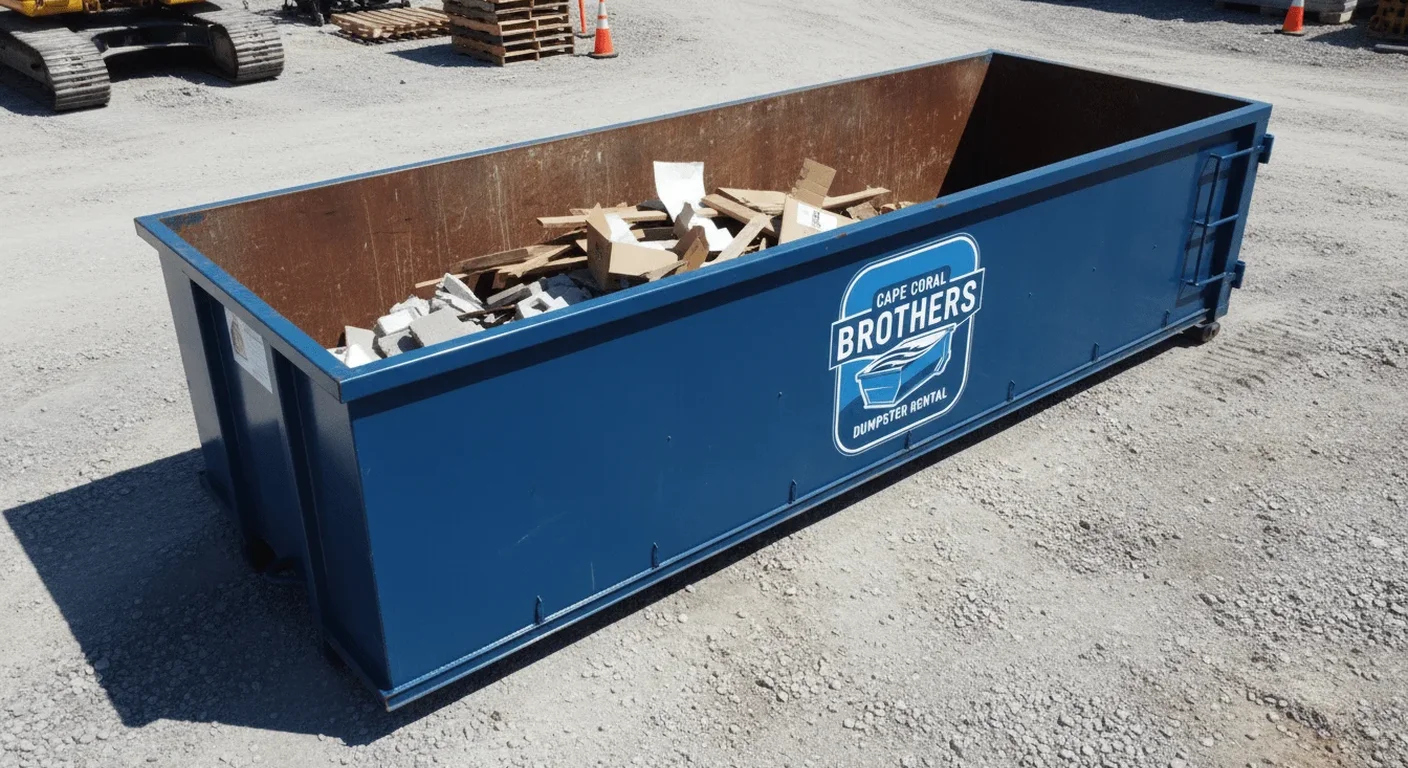
Most of what fills a dumpster is straightforward — furniture, drywall, flooring, cabinetry, yard debris, general construction and demolition material. But Florida, like every state, restricts a specific list of hazardous and regulated materials from roll-off containers, and getting this wrong can hold up a pickup or create a real environmental problem. Here’s the plain-language version of what goes in, what doesn’t, and where the banned items actually need to go instead.
What you can put in a dumpster
- Furniture, mattresses and household goods
- Drywall, flooring, cabinetry and general renovation debris
- Lumber, siding and framing material
- Roofing shingles and roofing debris (weight allowance applies — see our roofing sizing guide)
- Concrete, brick and masonry in reasonable quantities
- Yard waste, storm debris, brush and landscaping trimmings
- General household junk and garage or shed cleanout items
What Florida bans from a standard dumpster
The following materials are restricted from standard roll-off disposal under Florida and Lee County solid-waste rules, and require a separate, dedicated disposal path:
- Paint and paint-related solvents — liquid paint, thinners and solvents are handled as household hazardous waste, not general debris.
- Tires — Florida regulates tire disposal separately from general solid waste; tires need to go through a dedicated collection stream.
- Batteries — car batteries, lead-acid batteries and most rechargeable batteries are banned from landfill disposal and need to be recycled through a battery-specific program.
- Electronics (e-waste) — TVs, computers, monitors and similar electronics contain materials that require e-waste recycling rather than landfill disposal.
- Propane tanks and pressurized cylinders — these are a fire and explosion risk in a compacted load and are never accepted.
- Asbestos-containing material — older Florida homes can contain asbestos in flooring, insulation or roofing material; this requires certified abatement handling, not standard debris disposal.
- Hazardous chemicals — pool chemicals, pesticides, herbicides and similar hazardous household chemicals require a household hazardous waste facility.
- Freon-containing appliances — refrigerators, freezers and window air conditioners need refrigerant recovery before disposal.
Where the banned items actually go
The Florida Department of Environmental Protection sets the statewide framework for hazardous and regulated waste handling, and the Lee County Solid Waste Division runs the local collection programs Cape Coral residents actually use for household hazardous waste, e-waste and similar restricted items. If you’re not sure whether something on your project falls into a restricted category, that’s the fastest way to check, and it’s always worth a call to us too — we deal with this question constantly and can usually tell you in thirty seconds whether an item needs a separate disposal path.
A quick note on storm debris
Hurricane season brings its own debris stream — downed limbs, damaged fencing, water-logged drywall and flooring. Most of this is still fine for a standard dumpster, but items like propane tanks knocked loose in a storm, damaged appliances containing refrigerant, or anything visibly leaking should still be flagged separately. Our hurricane season debris cleanup guide covers pre- and post-storm cleanup in more detail.
Why this matters beyond the rules
Banned materials aren’t restricted out of bureaucratic caution — most of them genuinely need different handling to avoid contaminating soil, groundwater or the general waste stream, and several (propane, asbestos, certain chemicals) are a real safety risk in a loaded container that gets compacted and hauled. Following the list isn’t just about staying compliant; it keeps our drivers and the broader waste stream safer.
When you’re not sure, ask before you load
The easiest way to avoid a problem is a quick question before the container fills up. If your project includes anything from the restricted list above — old paint cans in the garage, a dead car battery, an ancient window AC unit — mention it when you book, or set it aside and ask us about it at delivery. We’d always rather answer the question up front than have to leave something behind at pickup. Explore our junk removal and yard waste dumpster rental services for material-specific options, or call (239) 341-6424 with any questions about a specific item.
Need a container in Cape Coral or anywhere in Lee County? Call (239) 341-6424 and describe the job. We will name the size, the flat rate and a delivery slot — often the same day. No forms, no waiting on an email.